How Indra’s I-485 project is transforming North Carolina commutes of today and tomorrow
2 min. reading time
By Juan Luis Merino, COO Indra Mobility USA
The future of American transportation infrastructure is no longer just a concept, it is actively improving the daily drive in North Carolina. At Indra Group USA, our vision for connected, seamless mobility has moved beyond planning and design; it is materializing now on the recently opened I-485 Express Lanes. While industry discussions often center around the theoretical potential of smart highways, the real story today is that our cutting-edge technology is officially operational and transforming commutes in the Charlotte area right now.
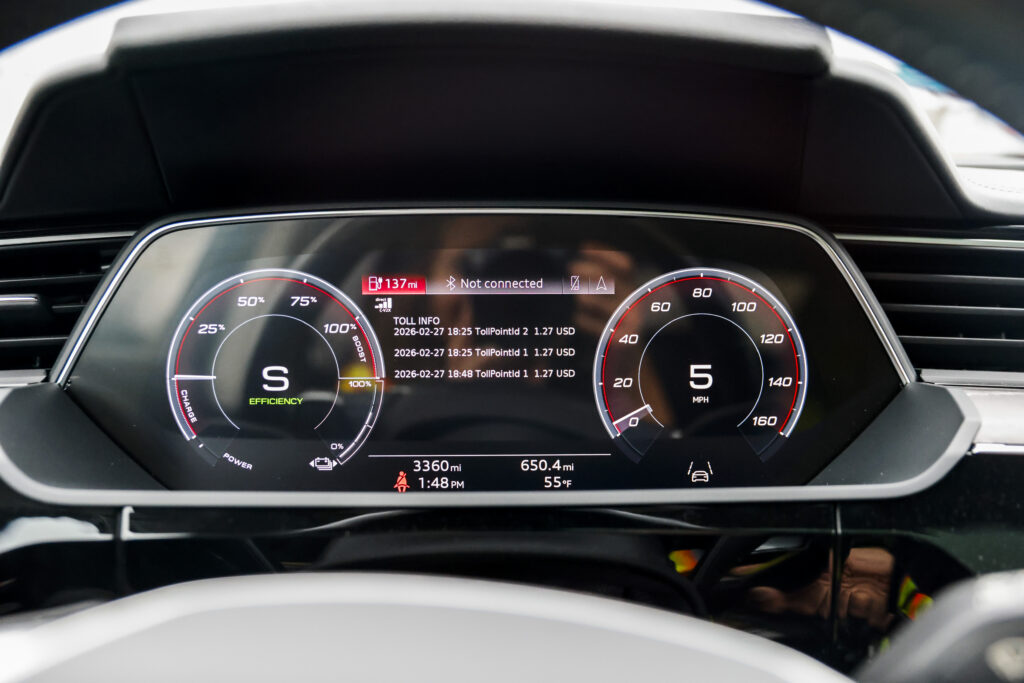
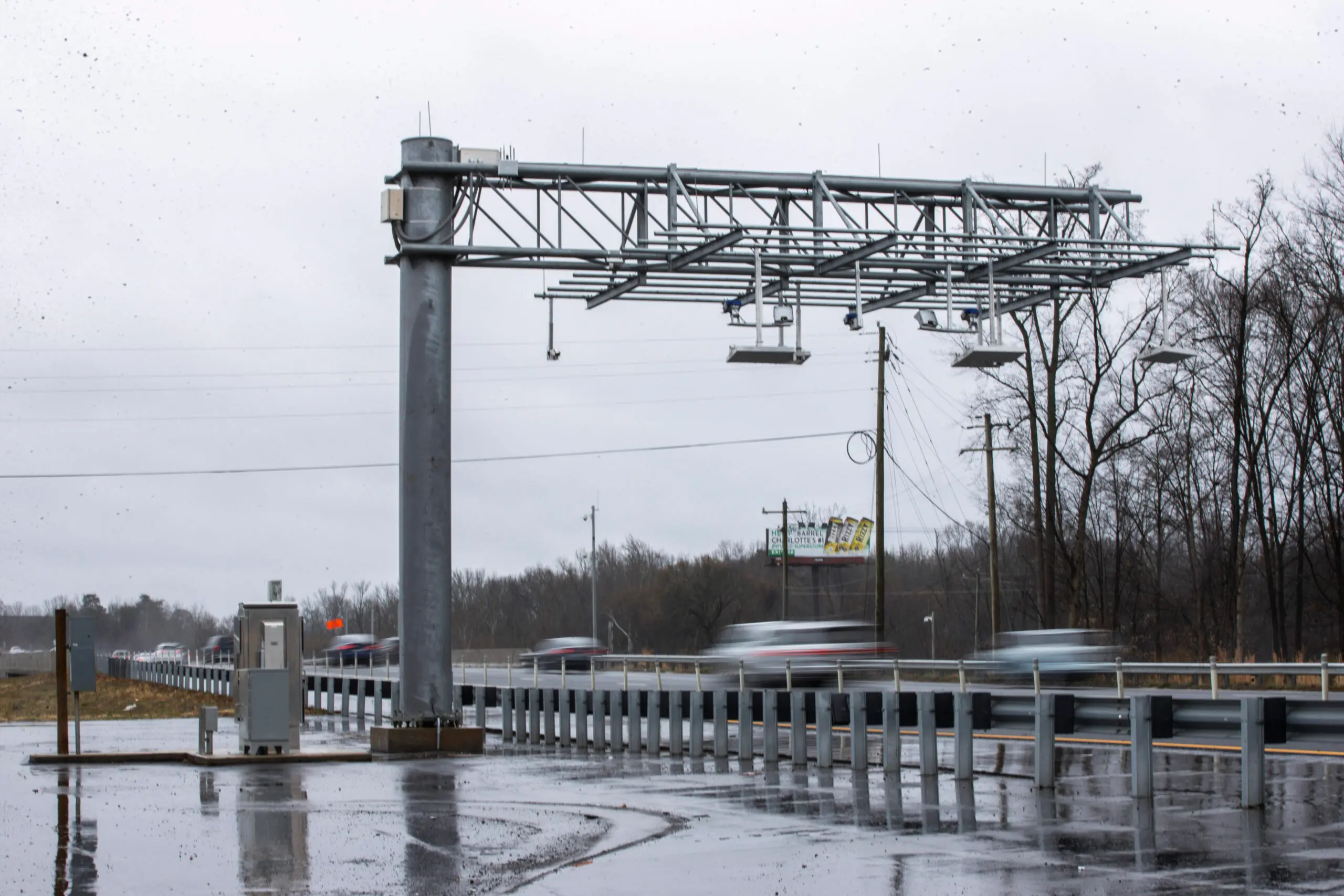
We recently celebrated a massive milestone alongside the North Carolina Turnpike Authority (NCTA): the official ribbon-cutting and full-scale launch of our end-to-end, all-overhead Open Road Tolling system. This isn't just another roadway update; this deployment marked the first at-scale operational deployment of C-V2X connected vehicle tolling on a U.S. highway. By officially opening these lanes to live traffic, we are not just talking about the future of connected mobility; we are validating real-world performance today and setting a new national benchmark for modern, compact toll collection infrastructure.
This isn't just another roadway update; this deployment marked the first at-scale operational deployment of C-V2X connected vehicle tolling on a U.S. highway.
How does Indra’s new V2X-based tolling model work?
Our ability to deliver this pioneering shift stems from integrating advanced perception and communication technologies that prioritize sustainability, precision, and efficiency. We have deployed a lightweight, all-overhead system that completely eliminates the need for intrusive, high-maintenance in-pavement sensors. Furthermore, our dual-use, high-precision 3D LiDAR both tracks and classifies vehicles, and actively augments NCTA’s traffic management by detecting critical roadway events such as pedestrians or wrong-way vehicles in real-time.
Ultimately, every technological decision we made on the I-485 project boils down to one core objective: putting the driver's experience and safety first. By delivering real-time safety alerts and creating the infrastructure for streamlined payment options directly to connected vehicles, we are providing unparalleled efficiency and peace of mind to North Carolina motorists today and in the more connected future. The modernization of our highways is not something that will happen in the future — it is happening right now. We are incredibly proud to stand hand-in-hand with the NCTA, having successfully turned its bold vision of connected mobility into a daily reality.